

Why does the Steam Deck run Linux? Blame Windows - austinousioner
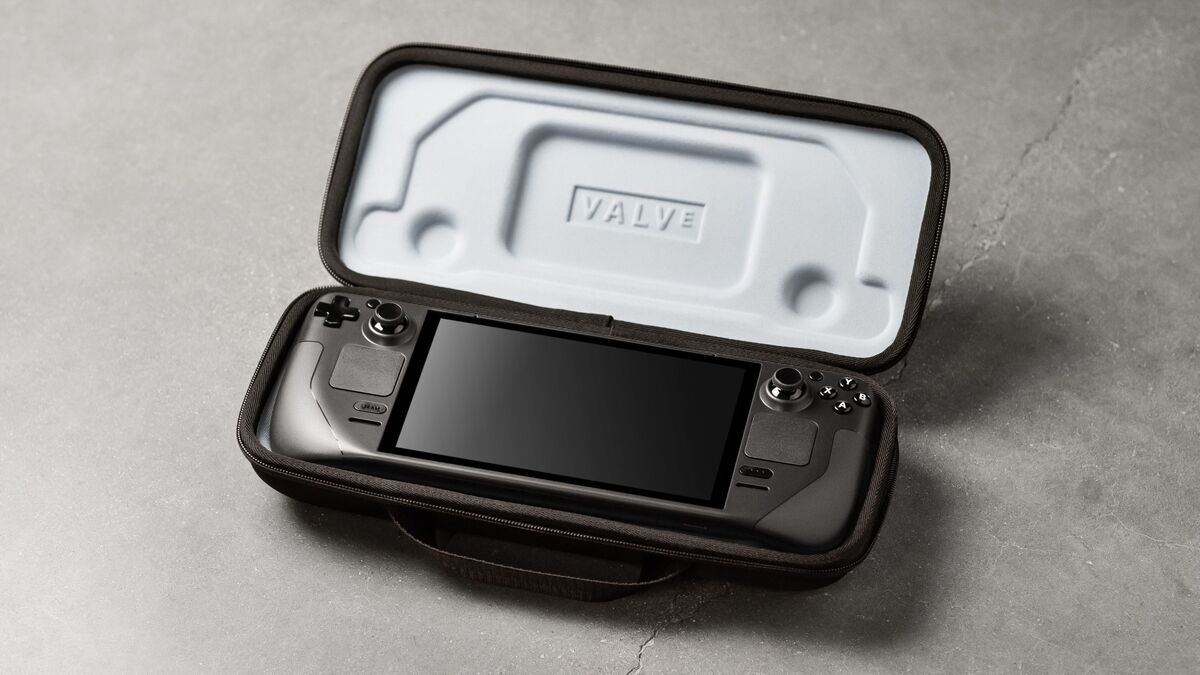
Valve's "Steam Deck" handheld Personal computer has caused quite a stir among PC gaming geeks, but the biggest shakeup might not equal its Nintendo Switch-like form factor. The software lengthways inside of it is the real storm. Why does the Steam clean Deck work Linux? Cursed Windows.
The Steam clean Deck and the software inside of IT are the culmination of a nearly decade-long "hedge strategy" embarked upon past Valve chief Gabe Newell and company many moons ago, when Microsoft reliable exerting more control over developers with Windows 8.
But information technology's too the next phase of Valve's escape plan.
"A catastrophe"
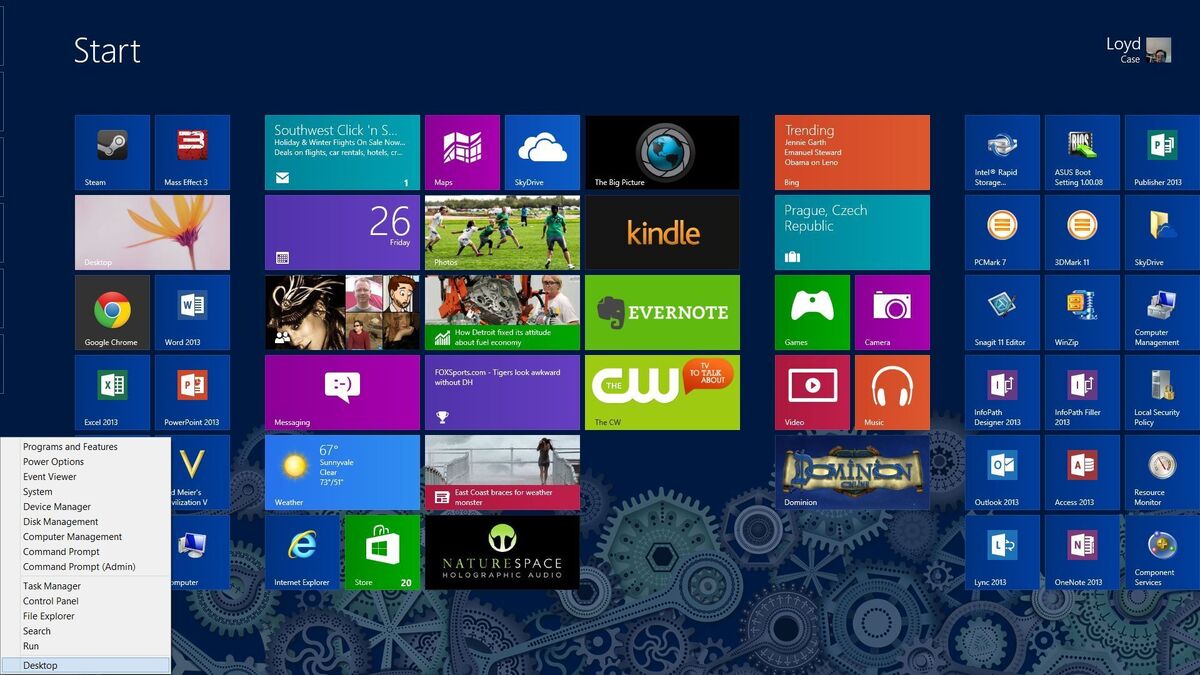
Windows 10 smoothed over Windows 8's lowest sins, so you may not remember how different—Beaver State "a catastrophe," to habit Newell's words—that OS was when it launched in 2012.
 Loyd Case/IDG
 Windows 8's radical late 'Start Screen' was…divisive, to say the least. (Spot the desktop "app"?)
Windows 8 hang over backwards to make changeable UI a precedency, relegating the desktop to "fair other app" condition in a projection screen stentorian of gold-colored tiles. More ominously, the Windows Store launched alongside the operative system, with demanding requirements about the sorts of software allowed and a immerse gatekeeper fee similar to what Apple and Google charge for inclusion in their app stores. Developers feared Microsoft would turn more and more draconian in its rules. Their concerns were escalated aside the synchronous set up of Windows RT, an Arm-based version of Windows that confined users to usingexclusively software sanctioned by the Windows Store. (RT cursorily fizzled.)
Devoted PC game developers felt specially anxious. Newell titled it "a gargantuan sadness." Blizzard enforcement VP Rob Pardo tweeted that Windows 8 is "not awesome for Blizzard either" in the wake of Newell's 'calamity' comment.Minecraft creator Markus "Notch" Persson told Microsoft to "stop trying to ruin the PC as an available platform" when information technology asked him to attest the game for Windows 8.
While Notch ironically sold Minecraft to Microsoft for $2.5 billion just a couple of years later, Newell and Valve reacted to the "catastrophe" the way most sane common people would: Disaster homework, so they wouldn't be caught flat-footed if Microsoft distinct to clench its fist around the open PC ecosystem.
The SteamOS scat hatch
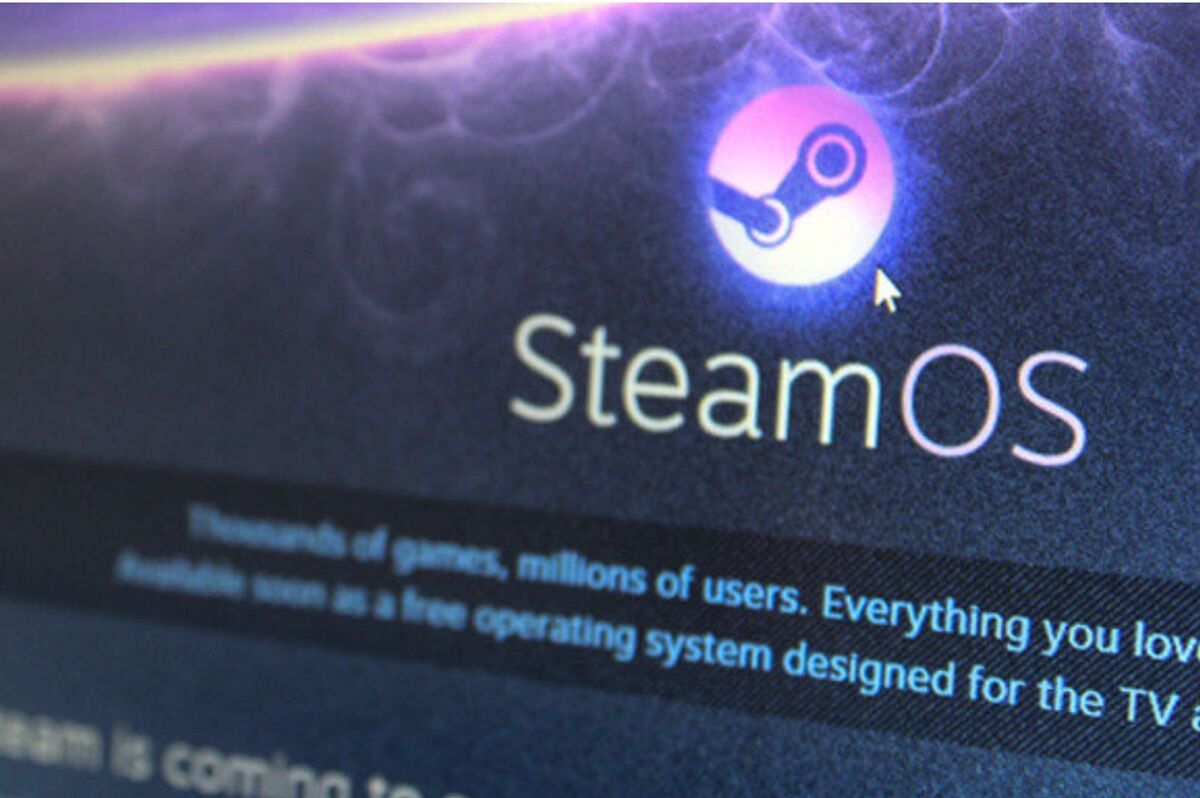
Windows 8 launched on August 1, 2012. In Dec, 2013, Valve introduced SteamOS to the multitude.
 Hayden Dingman/IDG
 Cured, non very. The beta version of the Steamer-centrical operating system obligatory arcane technical cognition to install, and Valve itself warned that "unless you're an intrepid Linux hacker already, we'Ra going to urge that you wait until later in 2014 to hear IT out." The OS for sure had batch of irregular edges out of the gate—it worked only with Nvidia GPUs, for example—but Valve worked diligently on polishing them. By October 2015, Valve's Steam Machines launched.
And failed. Hard.
The Steamer Automobile endeavor was fated from the start, and I arranged out the shell for why they would plane ahead they launched. There were several reasons: delays, poor communication from Valve, an heterodox new Steam Restrainer needed to consumption the PCs, the simultaneous launch of the more-skilled Steam Link, and a "good, better, better" branding strategy for Steam clean Machine makers that sowed further confusion. But in retrospect the biggest problem was SteamOS itself.
 Origin PC
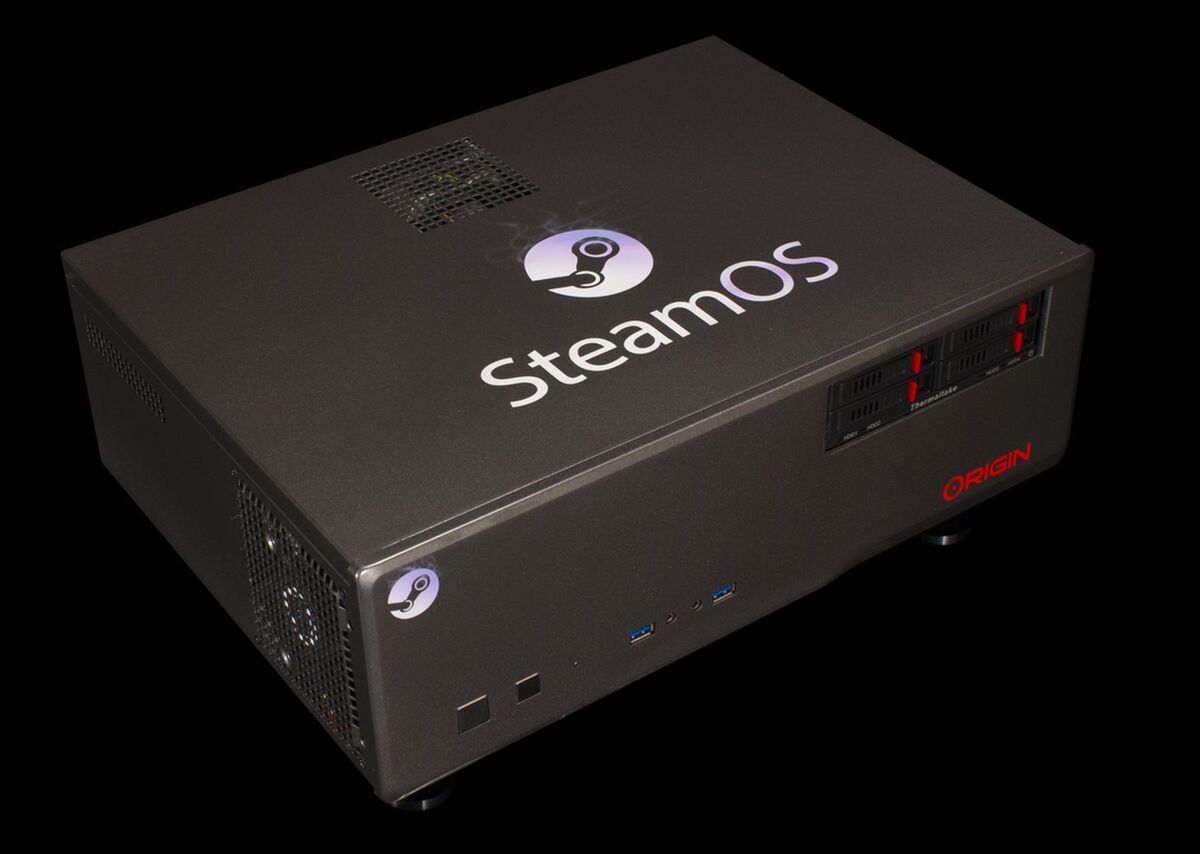
 Origin PC's stab at a Steam Machine.
SteamOS could only run Linux games, you see. And play connected Linux was dismal in 2015. I used to maintain a list of the best Linux games because so fewer developers bothered to produce Linux ports. Coaxing games into running often required exotic workarounds and third-party tools, and even then, games that ran at every last often ran jankily. Again: It's no surprisal Steam Machines failed.
Valve conditioned its lesson. You don't stop planning for a catastrophe equitable because you run into whatever road bumps. After Steam Machines died, something much more significant—and the key to the Steam Pack of cards's existence—rose from their ashes.
Proton: Linux lessons learned
If developers wouldn't brand games for Linux, Valve distinct it would put in devising Windows games run on Linux instead. In 2018, Valve introduced Proton, a fork of the common WINE compatibility layer that lets Linux PCs play Windows games. (If you aren't familiar with WINE, count yourself lucky.)
"In that location was always kinda this classic lily-livered and egg problem with the Steam Machine," Valve designer Scott Dalton told IGN. "That led us down this track of Proton, where now there's all these games that actually run."
 ProtonDB
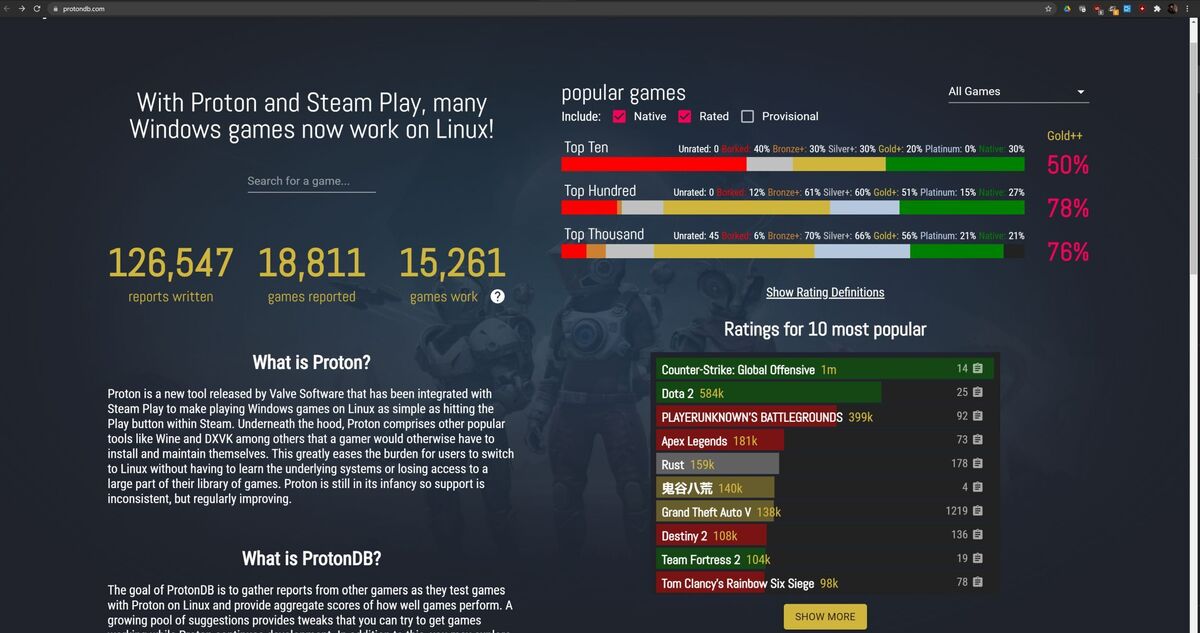
 The ProtonDB homepage on July 16, 2021.
Proton was truly a lame-record changer. If Linux gambling was a near-devoid inhospitable before, Proton was the piddle it thusly desperately needed. Thousands upon thousands of Windows games could just be played on Linux PCs now—some tinkering required at times, natch. Over the finale few years, Valve (with assistanc from the WINE experts at CodeWeavers) has worked hard to fix the most glaring issues. In 2018, our curated list of the best Linux games topped out at 35 titles. Right now, the community-run ProtonDB website is tracking almost 19,000 Proton-sympathetic games, and over 15,000 of them run scarce fine along Linux.
The engineering science still International Relations and Security Network't quite perfect, as our look at how Proton volition make or break the Steam Deck inside information in more depth. The most popular multiplayer shooters don't work connected Linux because BattlEye and Promiscuous Opposing-Wander aren't harmonious with Proton. Valve says information technology's working with those studios to get support for the technology ahead of the Steam Deck's launch. If the past is whatever indication, Valve will get it right sooner or later.
The Steam Deck is a Trojan Horse
Valve ISN't just pushing a handheld gambling PC. Gabe Newell and company are still preparing for potential calamity. While you could look at the Steam Deck as the mop up of nearly a decade of workplace for Valve, you toilet also look at it in the early direction. If the Steam clean Deck is successful, it bequeath drive developers to devote more tending to Linux—or at least to consider Proton compatibility patc coding. With each game that runs just fine connected the Steam Deck, Valve's escape hatch opens a some inches wider.
 Valve
Valve "We're trying to make a point that Linux thrives," Newell told Venture Beat out fair ahead of Windows 8's launch in 2012. "…We're going to continue workings with the Linux distribution guys, shipping Steam, merchant vessels our games, and making it as easy as possible for anybody who's engaged with us—putting their games on Steam and getting those running on Linux, Eastern Samoa well."
The Steam Deck—and Proton before that, and Steam clean Machines before that, and SteamOS in front that—drives home that Valve still has its eyes on the prize…and the potential for disaster. Without Windows 8, the Steam Deck as we know it would never exist, and Linux gaming wouldn't atomic number 4 anywhere penny-pinching as vibrant as IT is today.

Source: https://www.pcworld.com/article/394953/why-does-the-steam-deck-run-linux-blame-windows.html
Posted by: austinousioner.blogspot.com
0 Response to "Why does the Steam Deck run Linux? Blame Windows - austinousioner"
Post a Comment