

8 of the best design ideas in the world (and 4 of the worst) - austinousioner
8 of the best design ideas in the mankind (and 4 of the worst)
The best design ideas often go unnoticed by most people. That mayhap shouldn't be surprising. Different art, which aims to grab attention and provoke, great design mainly serves a function and solves problems, although IT ideally does and then in a sense that too looks really mesmerizing.
By definition then, if IT's cooked well, it's likely that some people will ne'er notice the best design ideas unless they're looking them. To quote God in Futurama: "If you do things reactionist, populate North Korean won't get laid you've finished anything at all." In this clause, we pay tribute to the abstract conception rational and spectacular execution behind eight of the best designs in diametric niches, from graphic design to digital design, interior design and product design.
We conceive these examples all deserve recognition as really game-changing designs that can function as lessons in how to serve design precise. Retributive to emphasize how great these design ideas are, we've also included a hardly a examples of how NOT to do the aforesaid thing for counterpoint. For more on great design, see our article along design thinking.
The best design ideas in different William Claude Dukenfield
01. Graphic design: London Tube map
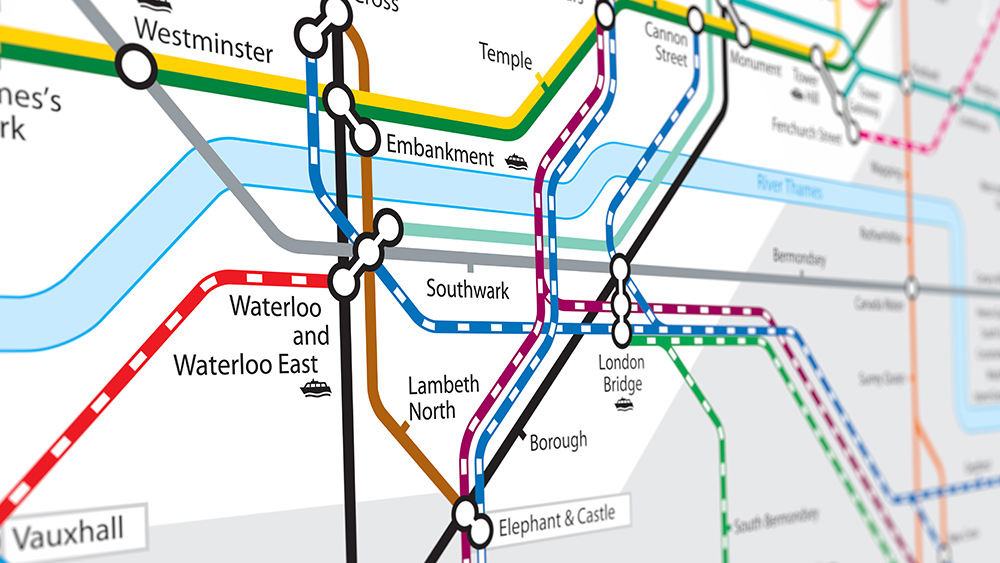
The London Tube Correspondenc was originally created aside Harry Beck, a London Subwa electrical draughtsman, in 1931. His revolutionary idea was to abandon geographical truth in favour of geometric simplicity.
Glorious by the electrical electrical circuit diagrams that Beck drew during his day job, his map delineated London's interlacing, sprawling underground transport network As a simple arrangement of coloured, criss-crossing lines. His employers initially rejected his plan of attack every bit as well base, but a test run was hugely popular with the public, so they quickly altered their minds. The mapping has been updated periodically since, as more lines and Stations have been added, the first design remains intact a testament to the fact that the best design ideas can undergo a very long lifespan.
The downside, of course, is that the map makes it more difficult for visitors to overestimate how far places are from each other. Transport for London has consequently had to post signs at key stations, advising tourists that IT English hawthorn be quicker to take the air between them. However, overall, that proved to be a sacrifice worth making. The design has become the gold standard around the world for clarity and usefulness. (Though it doesn't mean masses haven't created concept tube map redesigns o'er the years.)
From New York to Impress, metro maps take up followed this basic guide of colour-coded circles and lines, and it's even been old for other purposes, visualising everything from US National Parks to the solar scheme. The wider lesson present for designers is clear: making something simpler is usually the way to devising IT better... even if that power mean sacrificing some accuracy on the way.
Worst idea: Lots of other transit maps
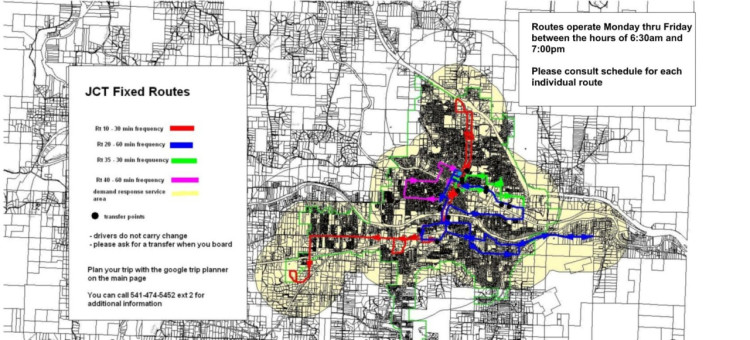
If you'Re a long Londoner, you belik take the Tube Map for granted, simply the majuscule design behind it becomes evident if you comparison IT with the maps of some separate transport systems. Examples like-minded the one supra, from Transportation Mapping Hall of Attaint show just how hard it is to present a Gordian network in a mode that's well-fixed for the user to read.
02. Digital design: What3Words
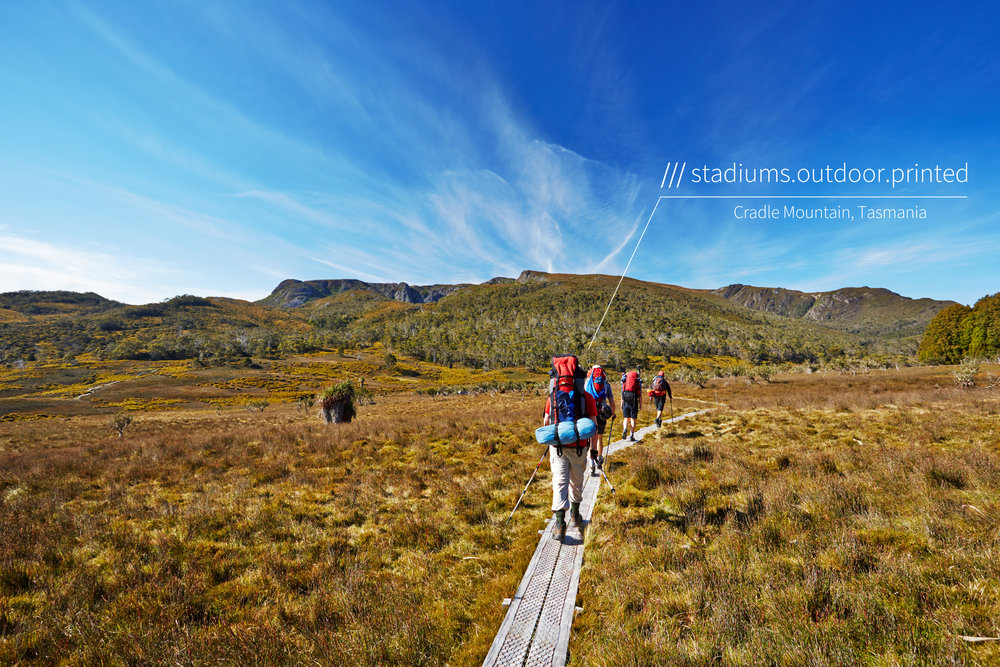
These years, geolocation technologies allow anyone with a mobile device to discover their exact location. But annoyingly, sharing that location with others is not that well-heeled. Yes, you could give someone a complex, 18-dactyl long series of coordinates and in theory, they could rule you, or you could use Share My Placement on your phone.
Only if you're one of the millions in the developing world without a proper street address, intellectual circumstances nerve-wracking that with your localised pizza pie delivery firm, OR your neighbourhood mail service carrier. Enter upon What3Words, a more easy geocoding system that divides the entire world into three-time squares segments, and identifies each using just terzetto words (random example: 'belly rises indeed').
Yes, it power sound same eldritch, but information technology's both painless to remember and easy to convey to others. Plus if an wrongdoing is made, it's immediately apparent: a misheard word will almost certainly point in time to a place in another rural area, alertness some parties to instantly realise a err's been ready-made.
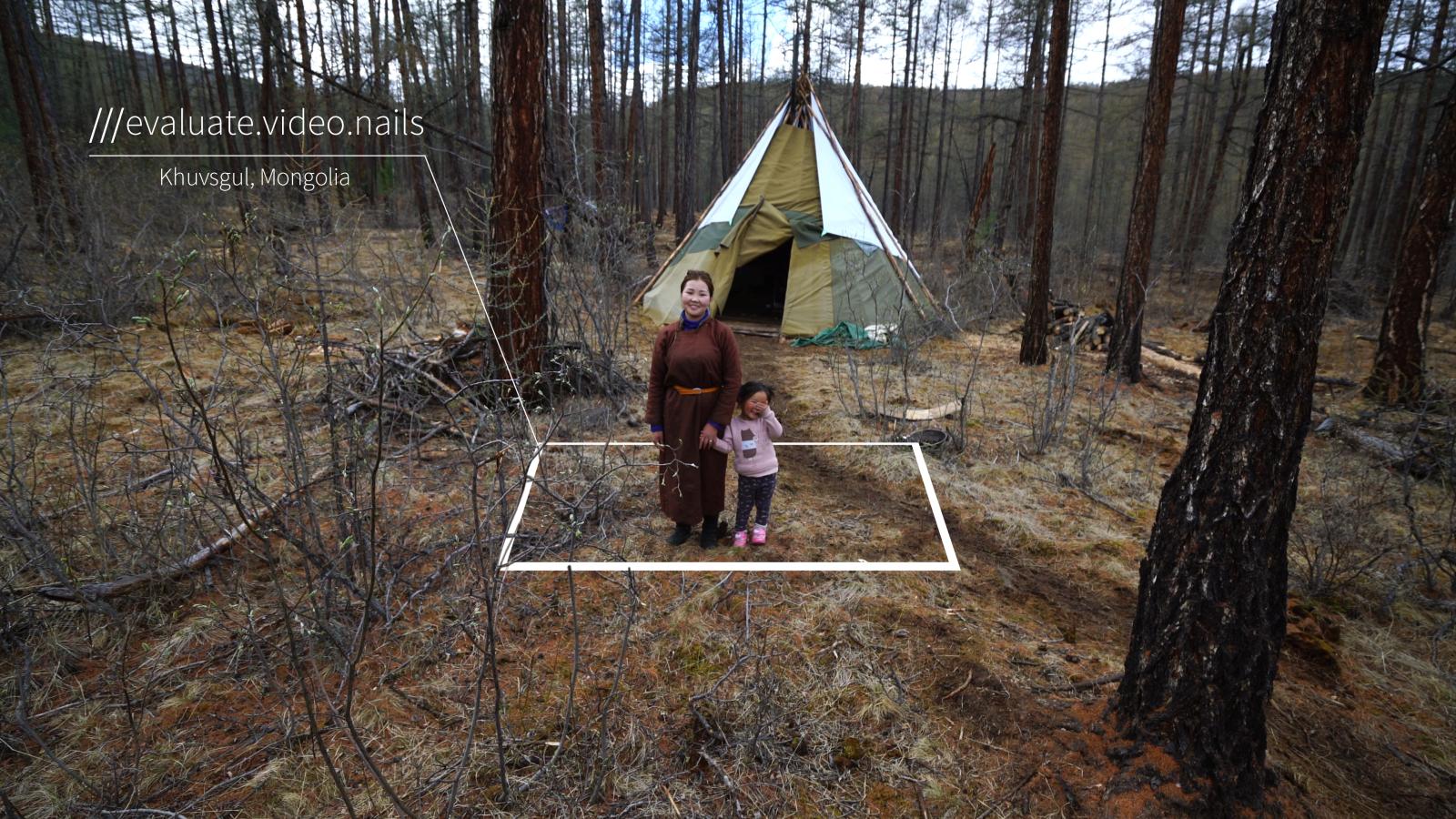
It's already been adoptive as an destination standard past the postal serves of Federal Republic of Nigeria, Kiribati, Mongolia, Sint-Maarten, Côte d'Ivoire, Djibouti, Tonga, and Solomon Islands. "In Mongolia you behind get a pizza, you can get a taxi, you give the sack open a bank account, all with a three-Holy Writ speech," CMO Giles Rhys Jones told our sister land site Tech Radar.
Move companies have also been keen to use the system of rules, and information technology's also been included as a criterional feature in the navigation system of rules of Mercedes-Benz cars. In the UK, What3Words has been used by the emergency brake services and has been instrumental in police rescues. As with many game-changing designs, the secret to What3Words lies in its simplicity.
03. Publicity design: Sharp sunscreen

Most of us know by now how important it is to use sunscreen to protect our skin, but we're often unsure about how a good deal of which factor to use, and when. The Australian sunscreen maker Blue Lizard pioneered a simple but really effective solution: bottles that convert colour in UV light.
Its 30+ Sister Sun blocker , for example, turns from blue air to bright pink, which is particularly useful happening gray days when you may non have realised you needed protective cover. It's mistily evocative of Dulux's Magic Paint, which goes on pink and dries white, helping you notice if you've missed any spots. Some are great examples of how thoughtful design can fix life easier – an excellent principle to apply to any design work, whether you're crafting an app interface or laying out a brochure.
Worst idea: Misleading and oversized packaging
you_know_what_those_are_that_i_ordered from r/EgregiousPackaging
For the worst packaging contrive, precisely take any of the thousands of items that go with packaging that's several multiplication larger than the product, often in an intentional attempt to trick customers into thinking they'rhenium getting more than what they rattling are.
From false bottoms to plastic Oregon card filler, there are tons of examples of egregious backpacking being wont to fool us. In some cases, even products that are intentional to glucinium "green" accompany far more packaging than seems necessary. In general, a cursory use of fictile, for example in individually plastic-wrapped screws and equal ear buds, can impart customers irate while showing a huge lack of state of affairs awareness.
04. Print conception: The holidaymaker picture dictionary
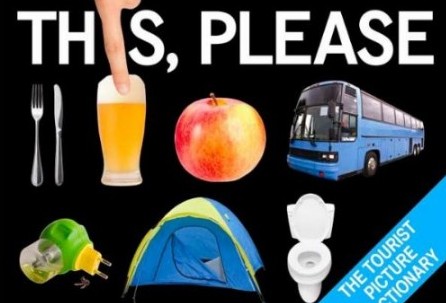
When you'rhenium stuck in a body politic where you can't speak your language, and no one speaks yours, Google Translate can make up a lifeguard. But when your phone is out of battery, Beaver State there's no usable internet, then you might motive to fall back on Thomas More traditional, printed substance.
Withal, if you're travelling round a band of diametrical countries, or a country where multiple languages are spoken, then you don't want to be lugging close to a ton of phrasebooks. A more elegant solution can be a picture dictionary look-alike the Tourer Picture Dictionary. Necessitate to happen a toilet? Point to the depiction of a toilet. IT's as simple as that!
So it is quite a niche product, just it's a enceinte fallback for when all other attempts at communicating break pull down. And it's other instance of a corking design idea that's extremely apiculate.
05. Font innovation: Dyslexie font
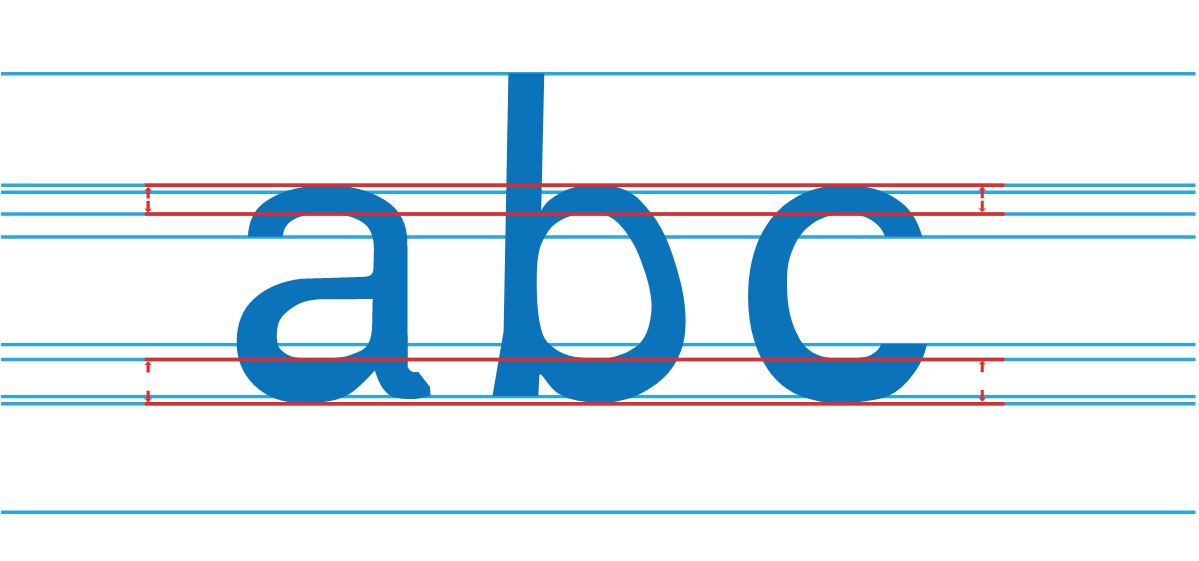
When information technology comes to choosing a font, readability is ever an outlet. But what if the reader is dyslexic? To solvent this question, Christian Boer as developed a special font, Dyslexie, to overcome some of the problems that people with dyslexia, including himself, can have when reading material. His aim was to develop the kind of typeface that he wished existed when he was a child.
The design sets out to make IT easier to distinguish different letters from all other. For deterrent example, the openings of letters are enlarged to make them look fewer alike and easier to recognise by their shape. Punctuation marks and capital letters are bold, emphasising the breaks, endings and beginnings of phrases, and the distance between singular letters and language is enlarged, which makes reading many comfortable and avoids the 'crowding issue'.
The font has been downloaded more than than 300,000 times, and the lesson is clear. If good design is about resolution a problem, then the best person to puzzle out information technology is often somebody WHO's affected on a personal level. If that's you, and so great! If not, it's worth acquiring in touch with the relevant people and doing some hard research before you start scheming.
- Best free fonts for designers
Worst idea: Ink-saving font
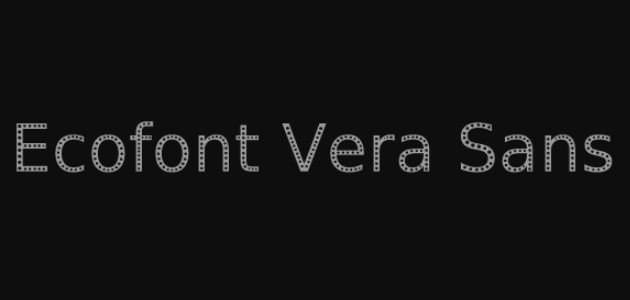
Dyslexie isn't the only font aim that aimed to alter the world. Respective fonts have aimed to save printer ink. That in itself is a fantastic theme, just this is where we see that execution is key. A study by the University of Badger State, looked at Ecofont, a system that adds holes to existing font families in order to reduce ink use, and found that whatever Ecofont fonts, such as Ecofont Vera Sans, actually used more ink than regular fonts, such as Century Gothic.
06. Interior design: the toilet-sink combo
If you live in Japan, it may perplex you to get it on that in other countries, bathrooms freestanding their toilet and sink. A standard toilet model in Japan incorporates both into a very high-toned and efficient organisation. The pot essentially has an in-built fall off (note that you don't slipstream your hands in the toilet, but rather above IT). As a result, the water for washing your hands is recycled for flushing.
This design originally came about in the 1950s as a quad saver because apartments in Japan tend to be on the smaller position. But with the emerging grandness of environmental issues, information technology's gained more interest as a piss saver. The gimmick doesn't only offer an epochal way to conserve water, IT also gives us a wider deterrent example in non attractive everyday designs for granted. If we continually ask, 'Could this be put together differently?', WHO knows what game-ever-changing ideas we could descend astir with.
And the worst interior decoration idea? Clean pick from any of the travesties in our roundup of the worst inland design fails, but how about this door for starters?
step_out_of_a_bathtub_down_a_flight_of_stairs from r/dangerousdesign
07. Business design: Cat's eyes
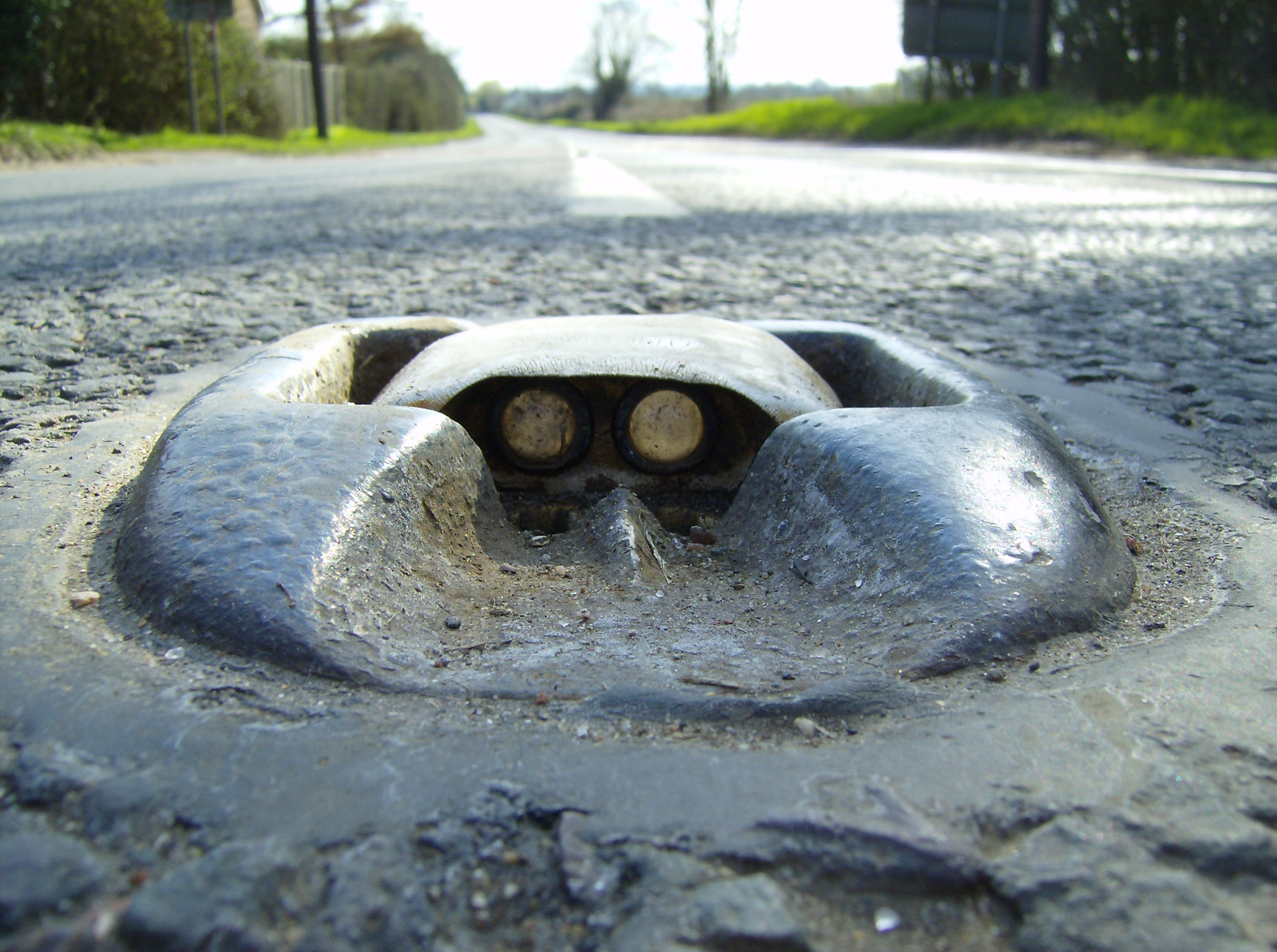
Here's another brilliant design that some deem given, but which is unknown in many countries. The cat's center is a eccentric of road marker that uses a retroreflector to illuminate night-time journeys victimisation your own headlights. It has a flexible rubber bonce, which can resist the passing of dealings if driven crosswise. It's besides soul-cleaning, thanks to a build in rainwater reservoir; resistant to nose candy ploughs; and proves particularly expedient in fog.
The original design was the work of Percy Shaw of Halifax, England in the 1930s. His inspiration came from the tramlines that reflected his headlights, helping him to see at night. One night, the tramlines were shrouded in thick fog and he was left blindsided... until suddenly he saw light reflecting from the eyes of a cat.
While there are many reasons that Britain has one of the best road guard records in the world, this clever contrive, which is used on the majority of roads in the country, has surely made a massive contribution. Its success offers an eventful object lesson to designers everyplace. If you find something useful by accident (therein cause, shiny tramlines and wandering felines), wherefore not design something that does the same affair but advisedly?
08. Product design: Ride-on suitcases
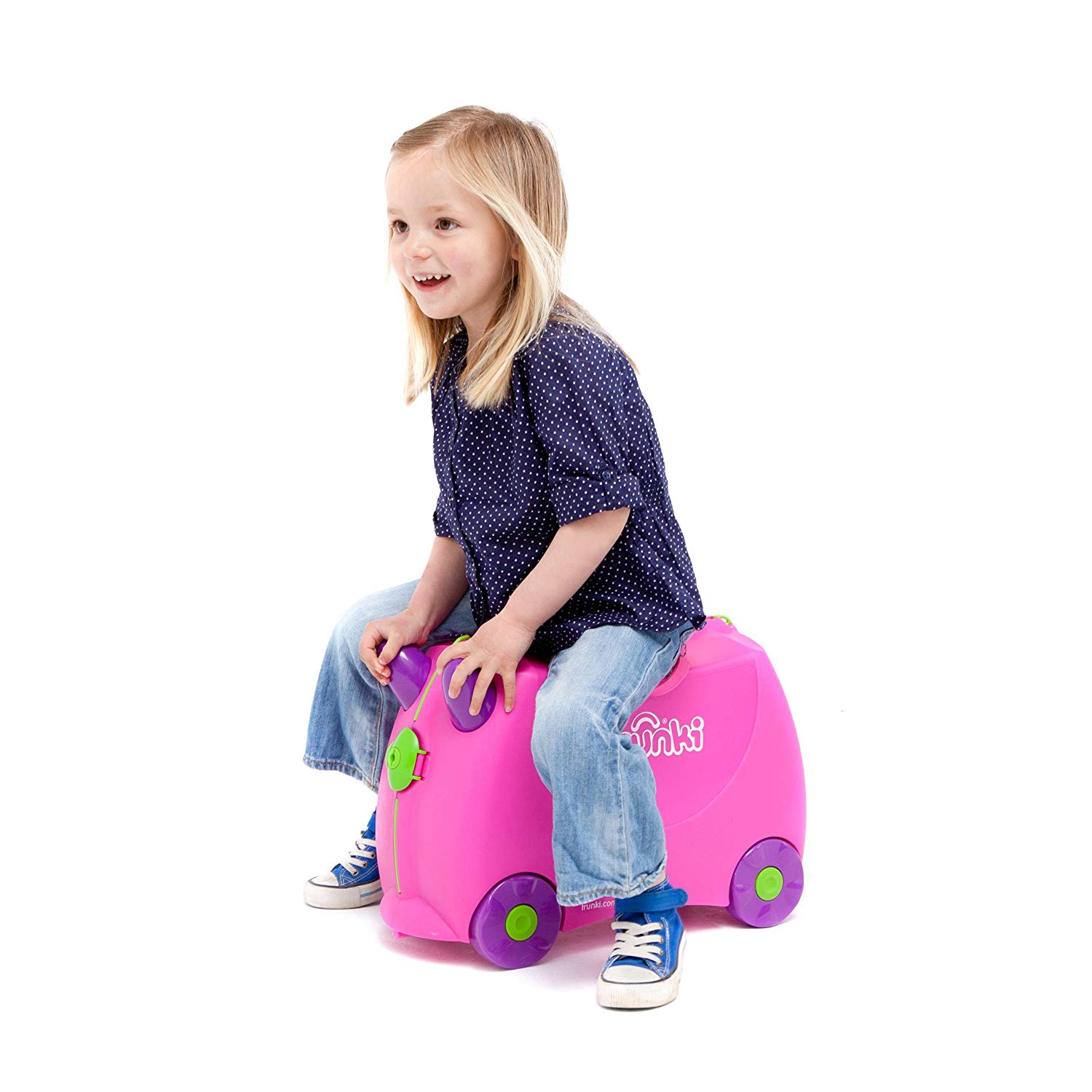
Cartesian product design student Rob Law was 21 when he came up with the idea for pickings a suitcase and turn it into a hinge on-on vehicle for kids. And anyone who's had to put in the lead with an overtired and cranky tiddler in a long-haul airport volition treasure what a wild musical theme this was.
Putting information technology into yield was a elongate swig and Legal philosophy was turned mastered by both luggage companies (who same they weren't interested in toys) and toy companies (WHO said they weren't interested in luggage). He also failed to get investment funds on the BBC's Flying lizard's Den, the equivalent to Shark Cooler in the US. He finally got funding from The Prince's Cartel Enterprise Investment trust and launched the Trunki in May 2006. Inside 10 years he'd sold over three trillion suitcases in complete 100 countries, and won over 100 design awards.
In that respect are two lessons here. Firstly, a good idea is not always enough; you oftentimes need bucketloads of patience and perseverance to convince mass of your vision. Secondly, untested product designs preceptor't have to involve radical new materials, processes or technologies. Sometimes just combining two things that already exist sack be the game-auto-changer everyone is looking.
Worst estimation: 3D TVs

Of course, it's important to think that simply bringing ii popular things together doesn't necessarily add upwardly to a good idea. Sometimes IT can leave to a in truth terrible 1. Remember when tech companies tried to take advantage on the popularity of 3D movies such as Incarnation and tired millions developing 3D TVs.
While multitude were blissful to wear out clunky 3D specs in a darkened celluloid, far fewer were keen connected doing so in their more sociable life rooms, where the little sized of the screen also ready-made the 3D effectuate far less veneration-inspiring. Just a hardly a age later, cipher was manufacturing 3D sets, and broadcasters like Sky had squinting their 3D channels. It seemed that in the rush to design a revolutionary current product, everyone forgot to ask if multitude actually wanted it (See, Amazon's smart clock for another example).
Read more:
- 3 times brands tried to exist woke and failed
- 10 innovations that changed the world of CG
- How to create work that could interchange the world

Tom Crataegus laevigata is an triumph journalist and editor in chief specialising in blueprint, photography and technology. He is author of Great TED Talks: Creativity, published away Pavilion Books. He was previously editor of Professional Photography magazine, link up editor program at Creative Bloq, and surrogate editor at net magazine.
Affinal articles
Source: https://www.creativebloq.com/features/best-design-ideas
Posted by: austinousioner.blogspot.com
0 Response to "8 of the best design ideas in the world (and 4 of the worst) - austinousioner"
Post a Comment